Many people go through life helping others when they can while trying to be the best person they can be. Many will be kind when needed, control their anger when they can and try to live a life that is pleasing to the universe. When they die, many will never have saved another human life.
Then you have those who, at some point in their life, decided to check the box and become an organ donor. Tallulah native Lytonia Lecia Harrison was one of those people. A 1992 graduate of Reuben McCall Senior High School, Harrison made the decision to become an organ donor. Her mother, Sarah Harrison Williams, described her as a sweet child who grew up to be a loving woman with a gentle spirit.
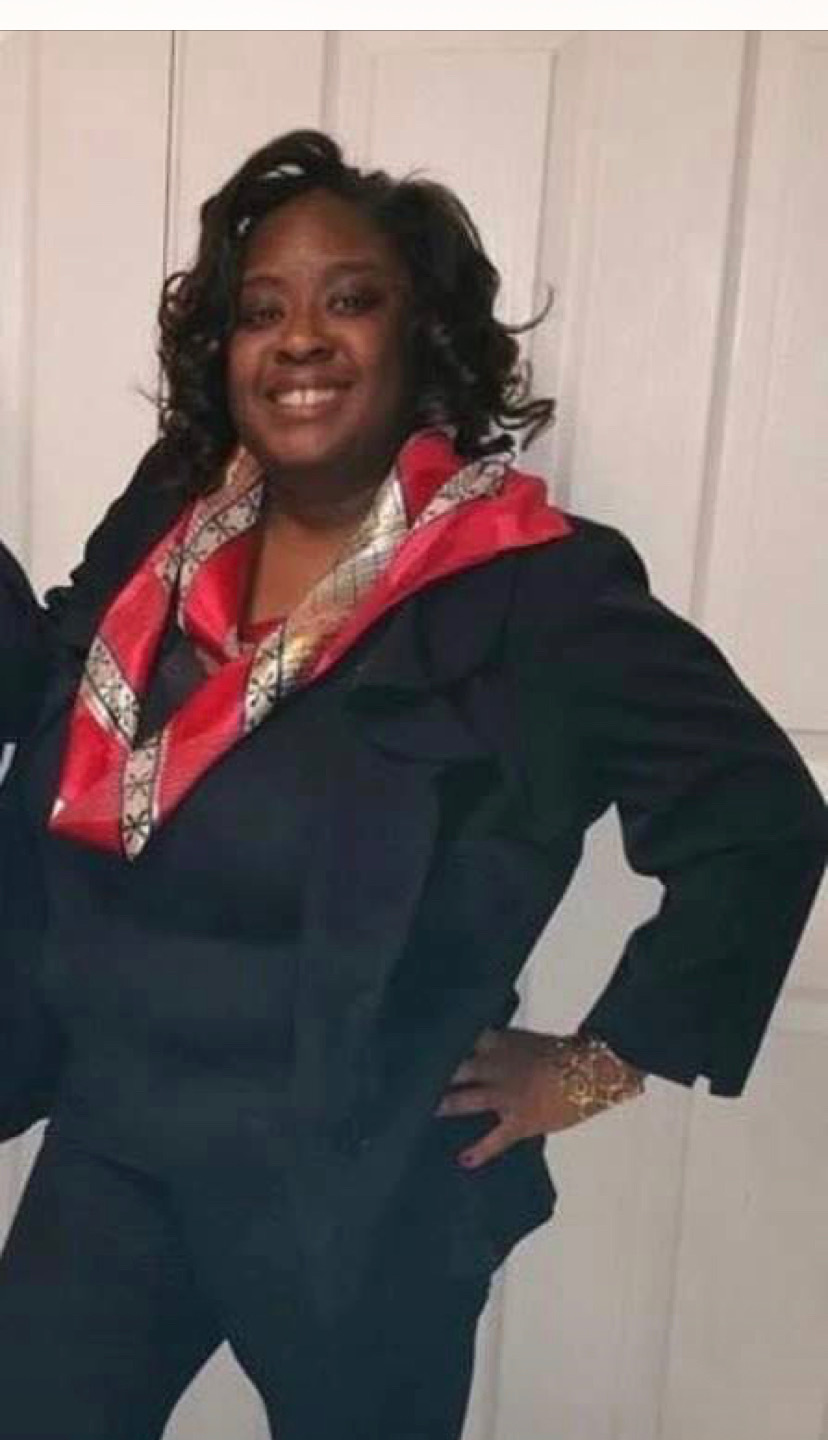 Harrison
“Lytonia was my only child,” Williams says. “She enjoyed sewing, bike riding, listening to music, cooking and baking and going to church. She loved working with the elderly and with kids and always had a smile on her face.”
In April, Lytonia was placed on the Wall of Heroes at St. Francis Hospital in Monroe. The Wall of Heroes honors donors who made the selfless decision to help save the life of someone they will never know.
“When Lytonia passed away, I spoke with the hospital staff and let them know that she was an organ donor and that our family wanted to honor her wishes and see if she could help someone in need,” Williams said. “We were put in touch with an organization that helped us through the entire process. It makes me happy to know that even in death, my daughter continues to make a tremendous impact on someone else’s life.”
The Louisiana Organ Procurement Agency (LOPA) is the only organ procurement organization in Louisiana. Kristy Lockwood is one of the agency’s dedicated employees who worked with the family after Lytonia’s death.
“We support the family the entire way,“ Lockwood said. “Our job is to be there to answer any questions, to hold hands and help them through the donation journey. Once the donation is completed, we continue to support the families however we are able.”
The details of organ donation are stark and grim. Decisions are made by the family and once made the process goes very quickly to ensure organs remain viable.
“There are tests run on the donor to see which organs can be used,” Lockwood said. “Once those tests are completed, we then put that information into the United Network of Organ Sharing (UNOS) national database of those awaiting transplants.”
Currently, there are 106,000 men women and children on the national transplant waiting list. Louisiana has about 2,000 individuals awaiting organs and a person can be on the list anywhere from three to five years.
“Once LOPA is involved with a donor an array of testing is then performed. The donor is then transported to the LOPA facility in Covington, Louisiana,” Lockwood continued. “From there, the staff will work with physicians and teams from the transplant centers to correlate the placement for each viable organ, to ensure the organ is placed with the best recipient."
Despite the grim reality of their work, there are the stories of individuals who receive these organs and have another chance at a full life.
“In Lytonia’s case, her organs saved four separate lives,” Lockwood said. “Lytonia was also a tissue donor and her selflessness has the potential to save up to 75 more lives through tissue donation. Our involvement with the donor’s family doesn’t just stop after the procedures and the donations have been made. They will always be family to us and we continue to work to let them know how much we appreciate what they’ve done. We actually had a butterfly release recently in West Monroe where we invited the families of our Wall of Heroes donors. Lytonia’s family showed up in full force with almost 30 individuals coming to pay their respects and take part in the event.”
Lockwood says that LOPA works hard to educate the general public on organ donation.
“Usually, the only time that individuals are even asked about organ donation is when they are at the DMV,” she said. “Our organization works with law enforcement and community organizations to help get the word out to as many people as possible about how important it is to become an organ donor. It’s an impactful decision that can really help a lot of people.”
As for Lytonia’s family, her mother says that although she lost her daughter, she is happy that her daughter could help others. “My beautiful daughter will continue to do what she loved most, and that is helping others in any way that she could.”
Lytonia’s father echoed the mother’s sentiments. “My daughter gave even in her passing,”said Larry Morris. “She was an unselfish, humble individual. She became an organ donor because she knew if it ever happened, she would be helping someone have a better quality of life. My baby will never be forgotten. She will always be my magnolia blossom.”
For more information on the importance of organ donation, please visit www.lopa.org.